By Sam Coffey, NERC Reliability Specialist
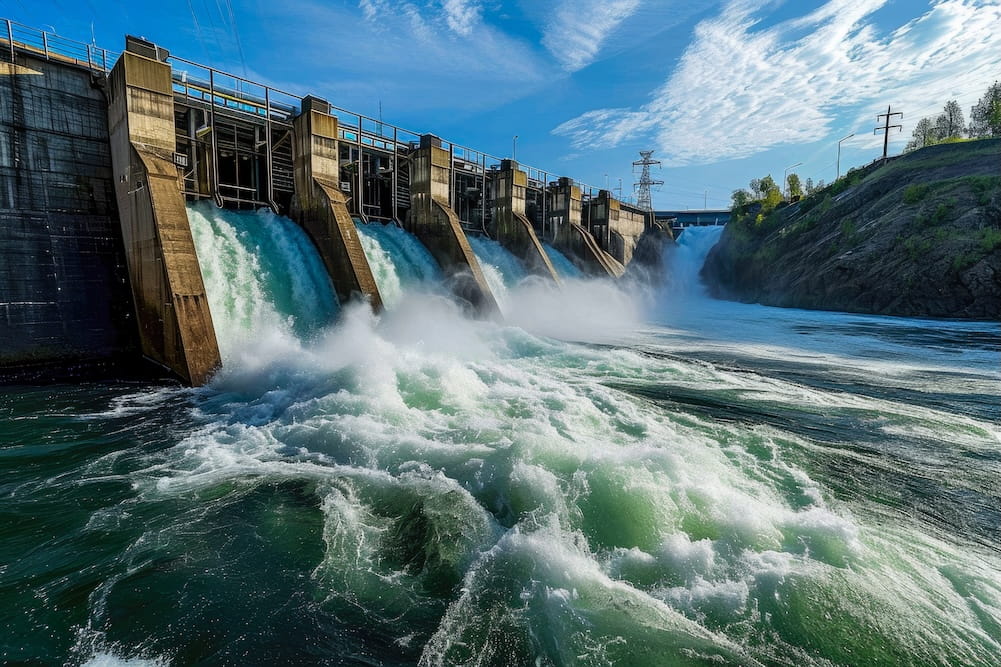
Low water levels are reducing hydroelectric generation at Glen Canyon Dam and Hoover Dam, two of the largest hydropower facilities in the western United States. According to a 2026 update from WECC, weak snowpack and below-average runoff have contributed to historically low reservoir levels across the Colorado River Basin.
Although the two facilities have a combined nameplate capacity of roughly 3,400 MW, actual generation has fallen to about one-third of that amount. As of September 2026, Glen Canyon Dam was producing approximately 730 MW and Hoover Dam about 382 MW. Lower reservoir elevations reduce the hydraulic pressure available to drive the turbines, limiting power output.
Current studies indicate that the overall reliability impact to the Western Interconnection remains manageable because these facilities represent a relatively small portion of the region’s total generating capacity. However, hydropower provides valuable operational flexibility that helps balance changing demand and variable renewable resources such as wind and solar. Reduced hydro generation could increase system operating complexity and energy costs for some utilities.
WECC is continuing to evaluate scenarios involving reduced hydroelectric production as part of its ongoing resource adequacy assessments. While widespread reliability concerns are not currently expected, the situation highlights the growing connection between water availability and long-term electric system planning throughout the West.
Sources:
Hoover Dam Hydropower Lake Mead: A Critical Alert – Circle of Blue