Over the past several years, developers and asset owners have navigated evolving grid reliability standards, and unprecedented equipment lead times. These pressures have altered capital planning conversations and forced organizations to reevaluate risk across the project lifecycle.
Still, beneath these highly visible constraints, another shift is accelerating. It is not tied to turbines, transformers, or balance-of-plant equipment. It does not appear on procurement dashboards. It cannot be reduced through expediting fees or alternative vendors.
It is a generational labor shift.
Experienced commissioning leaders, commissioning/start-up and operational tenured personnel across conventional and renewable portfolios are retiring faster than they are replaced. This critical expertise is increasingly concentrated in a shrinking workforce segment.
The implications are significant. Because while capital investment builds assets, experienced professionals bring those assets to life.
Staffing Challenges: How NAES Can Help
Currently, executive conversations rightfully focus on equipment backlogs. Turbines, transformers, and critical balance-of-plant components face multi-year lead times. But hardware is tangible; you can model it, forecast it, and negotiate around it.
The Imperative of Capturing “Tribal Knowledge”
When we discuss the generational gap, we are actually talking about the loss of tribal knowledge.
There are individuals who have spent 30 years understanding not just how systems were designed to operate, but how they actually behave under stress. This instinctual knowledge is not written in any OEM manual. It is developed through repetition, failure analysis, and decades of troubleshooting.
If this expertise exists from your organization without being intentionally captured, institutional learning resets. The costs will surface later in the form of longer troubleshooting cycles, extended outages, and repeat reliability events. To mitigate this, executives must build structured talent pipelines, pairing seasoned professionals with emerging talent to ensure critical knowledge is transferred before it walks out the door.
Overcoming the Constraint: Proactive Governance
Every asset owner will eventually face the same decision: how to staff commissioning to protect schedule, safety, and long-term performance. Whether you choose a turnkey managed commissioning model (single-point ownership and clear accountability) or targeted staff augmentation (filling specific technical gaps within your own governance), success requires depth.
Secure Your Experience Today
Concerns around an aging workforce, combined with a generational gap, can be cause for concern. Mitigating those concerns comes by understanding your specific gaps, proactively providing talent and expertise and most importantly peace of mind. The process requires dedication to identify the right technical skills as well as the right chemistry that fosters a synergistic and collaborative team. Building a team or expanding a team requires focus and dedication as a primary responsibility.
The next constraint in the power generation industry will not be hardware; it will be people. Equipment can be procured, but experience must be secured.
If you are developing new assets, expanding your portfolio, or preparing for major modernizations, waiting until schedules tighten is a risk you cannot afford. Assess your upcoming staffing needs compared to your project backlog and start the conversation early to identify where a staffing strategy can protect performance.
By aligning staffing models with long-term term capital projects and ongoing operational staffing requirements, you ensure your organization is prepared because the right combination of skills are engaged.
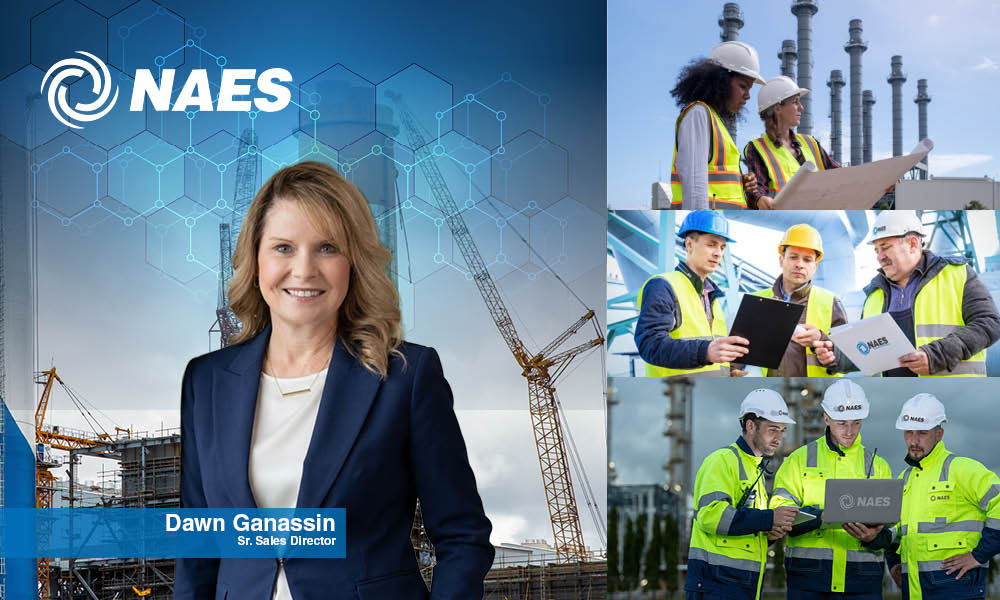
Dawn Ganassin
Sr. Sales Director
Dawn.Ganassin@naes.com