by Leland McMillan, NERC Supervisor
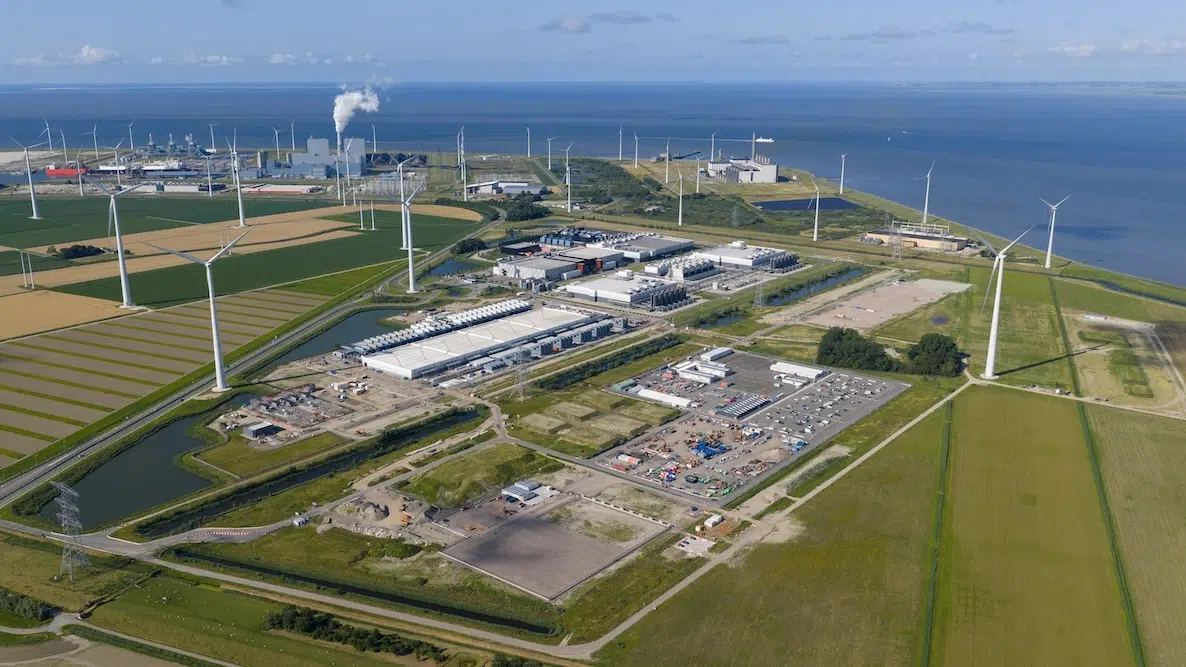
“Load” has emerged as a reliability impact lately, but not the load that you might be thinking of. Generation Load is often defined as electrical power that a generator can create. Transmission System Load is energy demand that moves on the transmission system and is measured by consumption at any given time. Recently, Large Loads, such as data centers, have created a drain on the system, resulting in reliability challenges.
NERC issued a Level 2 NERC Alert to select registered functions on September 9, 2025, that identified the following problem statement:
NERC, Regional Entities, and NERC registered entities have analyzed a series of disturbances that occurred on the bulk power system (BPS) resulting in widespread and unexpected customer-initiated load reduction of large loads. These disturbances involved multiple events during which 1,000+ MW of unexpected Large Loads output reduction occurred, with most events occurring in 2024 or 2025. The increase in Large Loads-related events coincides with an increase in Large Load penetration across the BPS.
For this Alert, the term “Large Load” is consistent with the definition in the LLTF white paper referenced above: Large Load – “Any commercial or industrial individual load facility or aggregation of load facilities at a single site behind one or more point(s) of interconnection that can pose reliability risks to the BPS due to its demand, operational characteristics, or other factors. Examples include, but are not limited to, data centers, cryptocurrency mining facilities, hydrogen electrolyzers, manufacturing facilities, and arc furnaces.”
A summary of one of the events was provided by NERC for context:
A 230 kV transmission line fault led to customer-initiated simultaneous loss of approximately 1,500 MW of voltage-sensitive load that was not anticipated by the BES operators. The electric grid has not historically experienced simultaneous load losses of this magnitude in response to a fault on the system, which has historically been planned for large generation losses but not for such significant simultaneous load losses. Simultaneous large load losses have two effects on the electric system: First, frequency rises on the system as a result of the imbalance between load and generation; second, voltage rises rapidly because less power is flowing through the system. In this incident, the frequency did not rise to a level high enough to cause concern. The voltage also did not rise to levels that posed a reliability risk, but operators did have to take action to reduce the voltage to within normal operating levels. However, as the potential for this type of load loss increases, the risk for frequency and voltage issues also increases. Operators and planners should be aware of this reliability risk and ensure that these load losses do not reach intolerable levels.
Subsequently, NERC has created an action plan that includes a draft Reliability Guideline Risk Mitigation For Emerging Large Loads that provides background and recommendations for Bulk Power System users to start addressing the Large Load concern. The conclusion of the Guideline articulates the challenges facing the industry over the coming years.
New challenges are being introduced to grid operators, and increased coordination, along with new operational requirements, can mitigate those challenges. Grid operators will need new data to inform processes that ensure reliable operations, like receiving real-time telemetry and near-term forecasts from large load entities. Additionally, BAs and RCs will need to plan for increased non-conforming variable loads in real-time operations.
Stability risks are clearly demonstrated in prior incident reviews and other analyses. These risks can blackout the power system before operators even have a chance to intervene. Improved data collection, post-event analysis, and dynamic planning studies will be required to prevent critical risks in the stability domain.
For years, the generation landscape has been changing, and now the shifting load characteristics will make Bulk Power System reliability a “must watch” in the coming years as regulators and registered entities work together to design and operate in a different realm, never seen before.