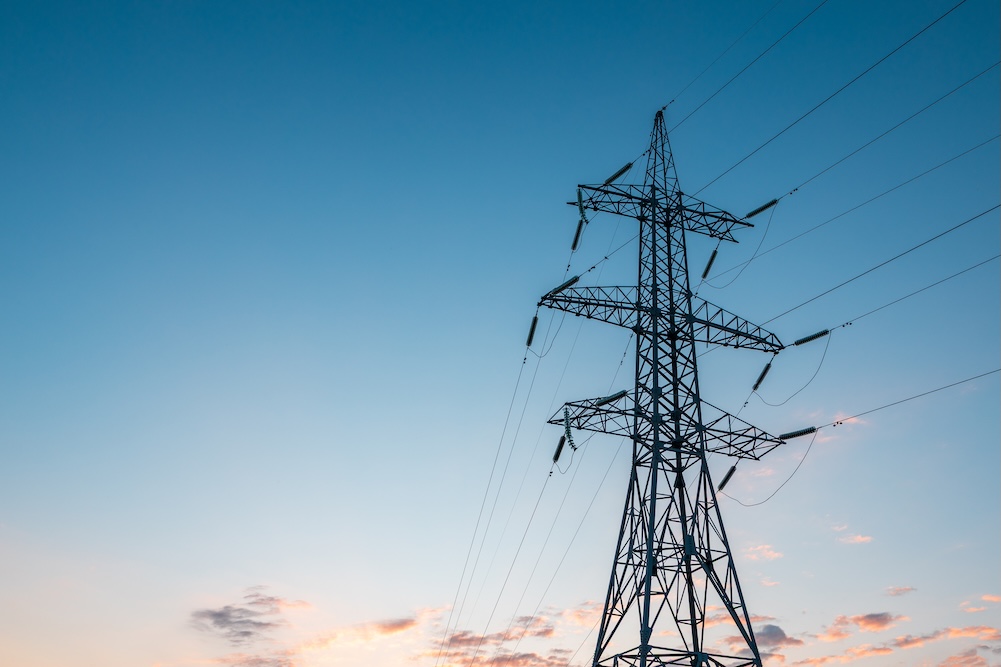
Keeping the grid stable isn’t just a technical goal — it’s what prevents small problems from turning into major outages. For power generators and utilities, reliability is the day-to-day discipline of keeping critical equipment online, operating within limits, and responding quickly when conditions change.
Grid reliability protects more than uptime. It supports economic stability, public safety, and the energy transition — all while the grid is being asked to do more with less margin for error.
From Plant to Plug: The Reliability Chain
Grid reliability is simple: electricity has to move smoothly from the moment it’s generated to the moment it’s used. Power is produced in real time at the plant, transmitted across long distances, and delivered to homes, hospitals, and businesses — every second of every day.
That chain depends on a lot of moving pieces: equipment health, grid conditions, operator response, weather, cybersecurity, and regulatory compliance. When one link breaks, the impact doesn’t stay local. It can ripple across the Bulk Electric System, creating outages, safety risks, and costly disruptions.
The Moment the Rules Changed
One of the clearest reminders of why reliability matters is the 2003 Northeast Blackout. A seemingly small disturbance became the first domino in a cascading failure that spread across the Northeast U.S. and into Canada. Within hours, millions of customers lost power.
What that event revealed was bigger than a single cause. It showed how quickly grid issues can escalate when systems, controls, and situational awareness break down, and how limited voluntary reliability guidelines were in preventing large-scale events.
In the years that followed, NERC’s role fundamentally changed. Reliability standards became mandatory and enforceable, giving the industry clear expectations for how the grid must be planned, operated, and maintained.
Today, noncompliance can carry major penalties — but for most owners and operators, the bigger risk is operational: forced outages, lost generation, and revenue loss when plants trip offline unexpectedly.
What Actually Improves Reliability
There’s no single fix for grid reliability — but high-performing operators tend to focus on the same fundamentals.
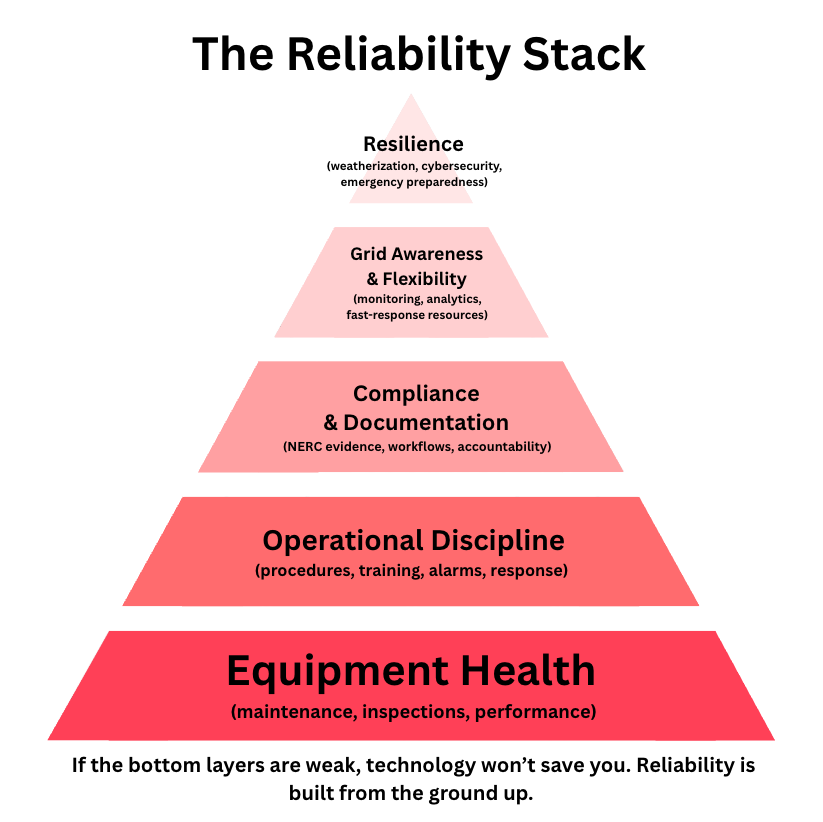
1) Operational Discipline
Reliability is built through consistency: strong procedures, trained teams, and stable day-to-day execution. Most reliability events don’t come from one big failure, they come from small gaps that stack up over time. That’s why plants should treat reliability as a habit, not a project.
2) Equipment Performance and Availability
At the end of the day, reliability is also mechanical. Keeping units online requires proactive maintenance, clear prioritization, and tight control of forced outage drivers. Improving reliability often starts with identifying patterns behind trips, failures, and recurring issues — then correcting root causes instead of treating symptoms.
3) Compliance Integration
A common mistake is treating NERC compliance as something separate from operations. Plants with strong compliance are often the same as plants with strong reliability — because both require discipline, documentation, and repeatable workflows.
NERC Compliance: The Floor, Not the Finish Line
At the core of Bulk Electric System reliability is compliance with NERC Reliability Standards. But compliance isn’t just about “passing an audit.” It’s about running a plant that can operate safely, predictably, and defensibly under system stress.
Strong NERC programs typically include:
- regular internal audits and gap checks
- role-based training (not one-size-fits-all)
- procedures built around reliability requirements
- evidence collection that happens naturally through daily workflows
- clear ownership across departments (operations, engineering, IT, compliance)
Staying ahead of annual updates, especially around cybersecurity, modeling, and system performance requirements, helps operators avoid last-minute scrambles and prevent violations that stem from process gaps rather than intent.
Technology That Helps Grid Reliability
Technology can improve reliability, but only when it supports real operational needs. The most impactful tools tend to fall into three categories:
Visibility
Improve real-time awareness and help teams catch issues early:
- real-time performance monitoring
- predictive analytics for asset health
- improved alarms and operator situational awareness
Flexibility
Help stabilize the system during swings and disruptions:
- battery storage that can respond instantly during demand spikes
- advanced power flow controls that reduce congestion and stabilize flows
- stronger planning and forecasting based on accurate models
Resilience
Help plants and systems stay online during extreme conditions:
- weatherization improvements
- upgrades that protect critical systems during heat, cold, flooding, and storms
A long list of tech options can sound impressive, but the best results usually come from a few targeted upgrades tied directly to forced outage prevention and operational response.
Reliability Isn’t Only Mechanical — It’s Also Regulatory
Many plants assume reliability is purely an equipment challenge. In reality, reliability is often limited just as much by regulatory constraints as by technical capability.
Environmental permits for air, water, and waste management can create operating boundaries that force derates, shutdowns, or limitations — even when a plant is physically capable of generating. The highest-performing plants succeed by:
- interpret permit requirements correctly
- integrate them into operating procedures
- track compliance continuously instead of reactively
- avoid preventable constraints that reduce availability
This is also where specialized support makes a difference. When environmental compliance and reliability programs are treated as separate worlds, plants lose time, lose output, and increase risk.
Why Reliability Is Getting Harder
The grid is being asked to do more with less tolerance for disruption. Several trends are increasing system stress:
- rising load from electrification and data centers
- more variable generation resources
- limited transmission expansion
- more frequent and intense weather events
- increased cybersecurity risk
These aren’t just “future trends” — they’re already reshaping operating expectations. Reliability programs that worked on ten years ago often aren’t enough today. Operators need systems that are more adaptive, more data-driven, and more resilient to abnormal conditions.
Conclusion: Reliability Is a Competitive Advantage
Reliable operations don’t just protect the grid; they protect your business. Consistent performance across the plant reduces forced outages, improves dispatch reliability, lowers compliance risk, and protects revenue.
Reliability isn’t something you achieve once. It’s something you build into your processes, culture, and decision-making — one day at a time.
Listen to the full episode here and get practical insights into the future of Grid reliability, from industry insiders who are building it.